Listen to the article:
Trying to get customers to notice you these days feels like shouting into the wind, right? Everyone's everywhere, and they expect you to be there too, in a way that makes sense. That's where this whole 'omni channel lead generation' thing comes in. It's not just about being on every platform; it's about making sure all those places feel like they're part of the same conversation with your brand. We're going to break down how to actually do that, so you stop chasing leads and start connecting with people who actually want to hear from you. Let's get into it.
Key Takeaways
Omni channel lead generation means connecting with customers across all their preferred platforms in a way that feels like one continuous conversation with your brand.
A unified customer experience across different channels builds trust and makes it easier for people to do business with you.
Using tools like CRMs and marketing automation helps keep your customer data in one place and your messages consistent.
Tailoring your content for each specific channel, while keeping your brand voice the same, is key to grabbing attention.
Always check your results and adjust your plan based on what the data tells you to keep improving your lead generation efforts.
Understanding The Core Of Omni Channel Lead Generation
Defining Omni Channel Lead Generation
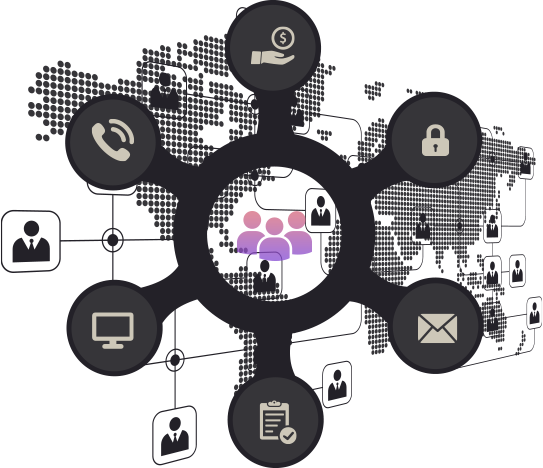
So, what exactly is this "omni channel" thing when it comes to getting new leads? Think of it like this: instead of just having a few separate ways for people to find you – like a website and maybe a social media page – you're creating a connected experience. It means a customer could start looking at your product on their phone, then get an email about it later, and maybe even see an ad on a different site. All these interactions feel like they're part of the same conversation with your brand. The main idea is to be where your customers are, in a way that makes sense to them, no matter which path they take. It’s not just about being on multiple platforms; it’s about making sure those platforms work together smoothly.
Why A Unified Customer Experience Matters
Why bother with all this connection? Because people today expect it. They don't see your website, your social media, and your email as separate things; they see them as your brand. If the message or the look is different on each one, it's confusing and frankly, a bit annoying. A unified experience builds trust. When everything lines up – the tone, the information, the offers – it shows you're organized and you actually pay attention to your customers. This consistency makes it easier for people to move from just being curious to actually becoming a lead, and eventually, a customer. It’s like having a helpful guide who knows you no matter where you bump into them.
Key Components Of A Strong Omni Channel Strategy
Building a good omni channel approach isn't just throwing things at the wall to see what sticks. There are a few main pieces that need to fit together:
Knowing Your Customer: You need to really understand who you're trying to reach. What do they like? Where do they hang out online? What problems are they trying to solve? The more you know, the better you can connect.
Connected Channels: This is the heart of it. Your website, email, social media, maybe even a physical store or event – they all need to talk to each other. A lead from social media should be recognized when they visit your website.
Consistent Messaging: Whatever you say and however you say it, it should sound like it's coming from the same brand. No mixed signals allowed.
Data Integration: You need a way to see what customers are doing across all these different points. This helps you understand what's working and what's not, so you can adjust.
When you get these parts working together, you create a much smoother journey for potential customers. They feel understood and guided, which makes them more likely to take the next step with your business.
Building Your High-Impact Omni Channel Strategy

So, you want to connect with customers everywhere, right? That's great, but just showing up on every platform isn't enough. You need a plan, a real strategy that makes sense for your business and, more importantly, for your customers. Think of it like building a house – you wouldn't just start hammering nails without blueprints. A solid strategy is your blueprint for success.
Define Clear Goals For Your Strategy
First things first, what are you actually trying to achieve? Don't just say "more sales." Get specific. Are you looking to get more people to know your brand exists? Maybe you want to turn more browsers into buyers, or perhaps you want the customers you already have to stick around longer. Setting clear, measurable goals is like putting a destination into your GPS. Without it, you're just driving around.
Here are some common goals:
Increase Brand Awareness: Get more people to recognize your name and what you do.
Boost Lead Generation: Bring in more potential customers who are interested in your products or services.
Improve Customer Retention: Keep your current customers happy and coming back.
Drive Sales Revenue: Directly increase the money coming in from sales.
Know Your Audience Inside And Out
Who are you trying to reach? You can't talk to everyone the same way. You need to understand who your ideal customer is. What do they like? What problems are they trying to solve? Where do they hang out online and offline? The more you know about them, the better you can tailor your message. This isn't about guessing; it's about looking at the data you have – from your website, your sales records, or even just asking them directly.
Understanding your audience means going beyond basic demographics. It's about getting into their heads, understanding their motivations, and anticipating their needs before they even express them. This deep insight allows for truly relevant communication.
Optimize Channel Selection For Maximum Reach
Once you know who you're talking to and what you want to say, you need to figure out where to say it. Not every channel is right for every business or every audience. Are your customers scrolling through Instagram? Are they checking their email first thing in the morning? Do they attend industry events? Focus your energy on the channels where your audience is most active. It's better to do a great job on a few key channels than to spread yourself too thin across too many.
Maintain Brand Consistency Across All Touchpoints
Imagine talking to a friend who acts completely different every time you see them. It would be confusing, right? The same goes for your brand. Whether someone sees your ad on Facebook, reads your email newsletter, or visits your website, the look, feel, and tone should be the same. This consistency builds trust. If your brand message is all over the place, customers won't know what to think, and they'll likely look elsewhere. Your brand's voice and visual identity should be a steady presence everywhere.
Leveraging Technology For Omni Channel Success
Look, getting your message out to customers across all the different places they hang out online and offline isn't magic. It's about having the right tools working together. Think of technology as the engine that makes your whole omnichannel operation run smoothly. Without it, you're just shouting into the void, hoping someone hears you on one channel while another part of your business is saying something totally different. It’s about connecting the dots so that when a customer talks to you on social media, your email team knows about it, and your sales rep isn't starting from scratch. The right tech stack makes this whole interconnected experience possible.
The Role Of CRM Systems
A Customer Relationship Management (CRM) system is pretty much the central nervous system for your omnichannel efforts. It’s where all the customer information lives – their contact details, what they've bought, what they've looked at on your site, past conversations, you name it. When you have a good CRM, you get a single, clear picture of each customer. This means your sales team can see if a customer just had a support issue before they call, or if marketing can send a targeted offer based on recent browsing history. It stops customers from having to repeat themselves, which, let's be honest, nobody likes.
Centralized Data: Gathers info from every interaction point.
Unified Customer View: Provides a 360-degree look at who your customer is.
Personalized Outreach: Allows teams to tailor messages based on real data.
Improved Sales & Service: Equips staff with the context they need.
Harnessing Marketing Automation Tools
Marketing automation tools are like your super-efficient assistants. They take repetitive tasks and handle them automatically, freeing up your team for more important stuff. Think about sending out welcome emails when someone signs up, or follow-up messages after a purchase. Automation platforms can also segment your audience based on their behavior and send them really specific messages. This isn't just about sending emails; it's about sending the right message, to the right person, at the right time, across different channels like email, social media, and even SMS. It helps nurture leads without you having to manually track every single step.
Automation helps ensure that no lead falls through the cracks. It keeps your brand top-of-mind with timely, relevant communication, guiding potential customers through the sales funnel without feeling pushy.
Utilizing Analytics For Real-Time Insights
If you're not looking at the data, you're flying blind. Analytics tools are what show you what's actually working and what's not. They track how customers are interacting with your brand across all channels – are they clicking on your ads? Are they spending time on your website? Are they opening your emails? By looking at this information in real-time, you can quickly see if a campaign is bombing or if a particular channel is bringing in a lot of good leads. This lets you make quick adjustments, shifting your budget or your messaging to focus on what's giving you the best results. It’s all about making smart, data-backed decisions instead of just guessing.
Creating Engaging Content Across Channels

Content is the engine that drives your omnichannel efforts, but just churning out generic stuff won't get you very far. Think of it like this: you wouldn't use the same approach to talk to your best friend as you would your boss, right? The same applies to your audience across different platforms. You need to speak their language on their turf.
Tailor Content for Each Platform
Every channel has its own vibe and what works on one might fall flat on another. Social media, for instance, thrives on quick, punchy content. Think short videos, eye-catching graphics, or a few key bullet points that get straight to the point. LinkedIn might be the place for a more in-depth article or a case study that shows off your know-how. Email, on the other hand, is your direct line. It should be personal, clear, and always have a specific action you want them to take, like downloading a guide or signing up for a webinar. It’s about meeting people where they are and giving them what they expect on that particular platform.
Amplify Customer Voices With User-Generated Content
People trust other people. Seriously. When potential customers see real people talking about how great your product or service is, it carries a lot more weight than anything you say about yourself. Encourage your happy customers to share their experiences – testimonials, reviews, even just a quick social media shout-out. Then, take that authentic feedback and repurpose it. A great customer quote can become a graphic for Instagram, a snippet for an email, or even the basis for a blog post. It’s a fantastic way to build trust and show off the real-world impact you have. This kind of social proof is gold for omnichannel lead generation.
Stay Consistent With a Content Calendar
Wingin' it with content is a recipe for disaster. Without a plan, you'll end up with a jumbled mess of messages that don't quite line up. A content calendar is your roadmap. It helps you map out what you're going to post, where, and when. This way, you can make sure your message is consistent, whether someone sees your ad on Facebook, reads your blog, or gets your email newsletter. It also helps you avoid bombarding people with the same thing over and over.
Here’s a peek at what a simple content calendar might look like for a product launch:
Week 1: Teaser posts on social media, blog post introducing the problem your product solves.
Week 2: In-depth feature breakdown on LinkedIn, email campaign highlighting key benefits.
Week 3: Customer testimonial video shared across platforms, targeted ads focusing on specific use cases.
Week 4: Webinar demonstrating the product, follow-up emails with special offers.
Creating content that works across multiple channels isn't just about making more stuff. It's about making the right stuff, for the right people, at the right time, and making sure it all fits together like a puzzle. When it's done well, it feels natural to the customer, even though it's a carefully orchestrated effort behind the scenes. This coordinated approach helps guide prospects smoothly through their journey with your brand.
Data-Driven Decision Making In Omni Channel Lead Generation
Look, nobody wants to just throw marketing money into a black hole and hope for the best. That's where using your data comes in. It's not just about collecting numbers; it's about actually using them to figure out what's working and what's not. Think of it like this: you wouldn't keep trying to fix your car with the same wrench if it wasn't working, right? You'd grab a different tool. Data helps you do the same thing with your lead generation. It shows you which channels are bringing in the best leads, which messages are actually getting people to pay attention, and where you might be wasting time and resources.
Continuous Improvement Through Analytics
This is where you really get to see what's happening. You're looking at how people are interacting with your brand across all the different places you show up – your website, social media, emails, ads, you name it. By watching these interactions, you can spot trends. Maybe your Instagram ads are bringing in a ton of clicks, but nobody's actually signing up. Or perhaps your email newsletters have a great open rate, but the click-throughs are low. These are clues. You can then tweak your ads, change your email subject lines, or adjust the content you're sharing. It's a constant cycle of checking, adjusting, and checking again. The goal is to make every single touchpoint better over time.
Metric-Driven Success For Optimization
So, what numbers should you actually care about? It depends on your goals, of course, but here are a few common ones:
Conversion Rate: How many people who see your ad or click your link actually do what you want them to do (like fill out a form or make a purchase)?
Cost Per Lead (CPL): How much are you spending to get one new lead?
Customer Lifetime Value (CLV): How much is a customer worth to you over the entire time they do business with you?
Engagement Rate: How many people are interacting with your content (likes, shares, comments)?
By tracking these metrics, you can see which channels are giving you the best bang for your buck. If one channel is costing you a fortune but not bringing in many good leads, it might be time to shift that budget elsewhere. It's about being smart with your marketing spend.
Leveraging Insights For Customer Re-engagement
Sometimes, people interact with you but don't quite convert. Maybe they visited your website a few times, or they downloaded a guide but never took the next step. Your data can tell you this. You can then use this information to bring them back into the fold. This could mean sending them a personalized email with more information related to what they looked at, or maybe offering them a special discount. It's about using what you learned from their initial interaction to tailor a message that might get them to convert this time around. It’s not about being pushy; it’s about being helpful and relevant based on what they’ve already shown interest in.
The real magic happens when you stop guessing and start knowing. Data isn't just for the tech wizards; it's a tool for anyone who wants to make their marketing work harder and smarter. It helps you understand your customers better and, in turn, serve them better.
Overcoming Challenges In Omni Channel Marketing
Look, getting an omnichannel strategy to work perfectly isn't always a walk in the park. It's like trying to juggle a dozen things at once, and sometimes, one or two might slip. But don't worry, most of the bumps in the road are pretty common, and there are ways to smooth them out.
Breaking Down Data Silos For Unified Views
This is a big one. Imagine your sales team has one set of customer info, marketing has another, and customer service has a third. When these systems don't talk to each other, it's a mess. A customer might get an email about a product they just bought, or a support agent won't know about a recent sales interaction. The goal is to get all that customer information into one place. A good CRM system is usually the hero here. It pulls everything together so everyone in the company sees the same, up-to-date picture of the customer. This means fewer awkward conversations for the customer and more chances to actually help them.
Maintaining Brand Consistency Across Platforms
Ever visited a company's website and then checked out their social media, only to feel like you're dealing with two different companies? That's a brand consistency problem. Your tone of voice, the colors you use, the way you talk about your products – it all needs to be the same everywhere. If your Instagram is super casual and your email newsletters are really formal, it can confuse people. It's about making sure that no matter where someone interacts with your brand, it feels familiar and trustworthy. Think of it like a favorite TV show; you expect the characters and the vibe to be the same in every episode.
Adapting To Changing Customer Behavior
Customers are always on the move, digitally speaking. What they liked last year might not be what they want today. They might be spending more time on TikTok, or maybe they're suddenly preferring live chat over email. You can't just set up your channels and forget about them. You've got to keep an eye on what's happening. Are people engaging more on one platform than another? Are they asking different kinds of questions? Using analytics helps a lot here. It shows you where the attention is and where it's fading. Being willing to tweak your approach based on this information is key. It's not about chasing every new trend, but about understanding what your specific customers are doing and meeting them there.
The trick is to remember that all these challenges are connected. When data is siloed, it's harder to keep your message consistent. And if you're not paying attention to how customers behave, you might be sending consistent messages on the wrong channels.
Here's a quick look at how different channels might require different approaches, even while staying consistent:
Social Media: Often requires shorter, more visual content. Think quick updates, engaging questions, and behind-the-scenes peeks.
Email Marketing: Allows for more detailed information, personalized offers, and direct calls to action.
Website/Blog: The hub for in-depth content, product details, and lead capture forms.
Customer Support: Needs to be responsive, helpful, and reflect the brand's problem-solving attitude.
Navigating the world of omni channel marketing can feel like a maze sometimes. But don't worry, there are smart ways to get past the tricky parts. We've figured out how to make all your marketing channels work together smoothly, so your customers have a great experience no matter how they connect with you. Want to see how we do it? Visit our website to learn more!
Wrapping It Up
So, we've gone through how to really connect with people using all the different ways they interact with brands today. It’s not just about being on every platform, but making sure those interactions feel like they're all coming from the same place – your brand. When you get this right, customers notice. They feel understood, and that makes them more likely to stick around and buy from you. It takes some work, sure, but building these connections across channels is how you stay relevant and keep growing. Ready to see how AI can help make this whole process smoother and more effective for your business? Let's chat. Book a strategic discovery call with us at https://cal.com/kevin-oliveira/ai to explore how we can help you unlock revenue growth.
Frequently Asked Questions
What exactly is omnichannel lead generation?
Think of omnichannel lead generation like talking to a friend who remembers everything you've told them, no matter how you talk to them. It means a business connects with you on many different platforms – like their website, social media, emails, or even in person – and makes sure the conversation flows smoothly. They remember who you are and what you like, so you get a consistent and personal experience everywhere.
Why is it important for my business to use many channels to find customers?
Customers today are everywhere! They might see your ad on Instagram, then check your website on their computer, and later get an email from you. If you're only on one or two channels, you might miss them. Using many channels means you can reach more people and be there when they're ready to connect, making it easier for them to become customers.
How can I make sure my brand looks and sounds the same on all channels?
This is super important! To keep everything consistent, you need clear rules for your brand's look (like colors and logos) and how you talk (your tone of voice). Write these down and share them with everyone who creates content. It's like making sure everyone in a band plays the same song with the same feeling.
What kind of technology helps with omnichannel lead generation?
A Customer Relationship Management (CRM) system is like a super-smart address book that keeps track of all your customer information in one place. Marketing automation tools can send out emails or messages automatically, and analytics tools help you see what's working and what's not. These tools work together to make managing everything much easier.
How do I know if my omnichannel strategy is actually working?
You track it! Look at numbers like how many people click on your links, sign up for things, or buy from you. Also, see how much people are talking about your brand and if they keep coming back. By watching these numbers, you can see which channels are doing great and where you need to make changes to get even better results.
What's the biggest challenge when trying to do omnichannel marketing?
One of the trickiest parts is making sure all your different tools and teams share information smoothly. Sometimes, customer information is stuck in different places (like sales in one system, marketing in another). Getting all that data together so everyone has the full picture is key to giving customers that seamless experience they expect.
Ready to transform your sales team?
Let’s map out where AI creates the most revenue impact in your process.